
AI-assisted video production for brands and campaigns
Build the video around the message, then choose the production method that serves it. Thrive connects creative direction, scripting, visual development, editing and review to produce a defined set of campaign assets.
Follow a production brief.
Explore a product-storytelling example from the initial brief to delivery planning.
The brief
Introduce an unbranded personal-care product through a simple daily ritual. The story should make the product easy to recognize and give the viewer one clear next step.
- Audience: people exploring the product category
- Message: a simple ritual, clearly shown
- Inputs: product references, brand direction, approved copy
The storyboard
Plan the sequence before production: establish the setting, introduce the product, show the routine, focus on one useful detail, and finish with the agreed action.
- Opening: product and setting
- Middle: gesture, use and detail
- Closing: product, message and action
The visual direction
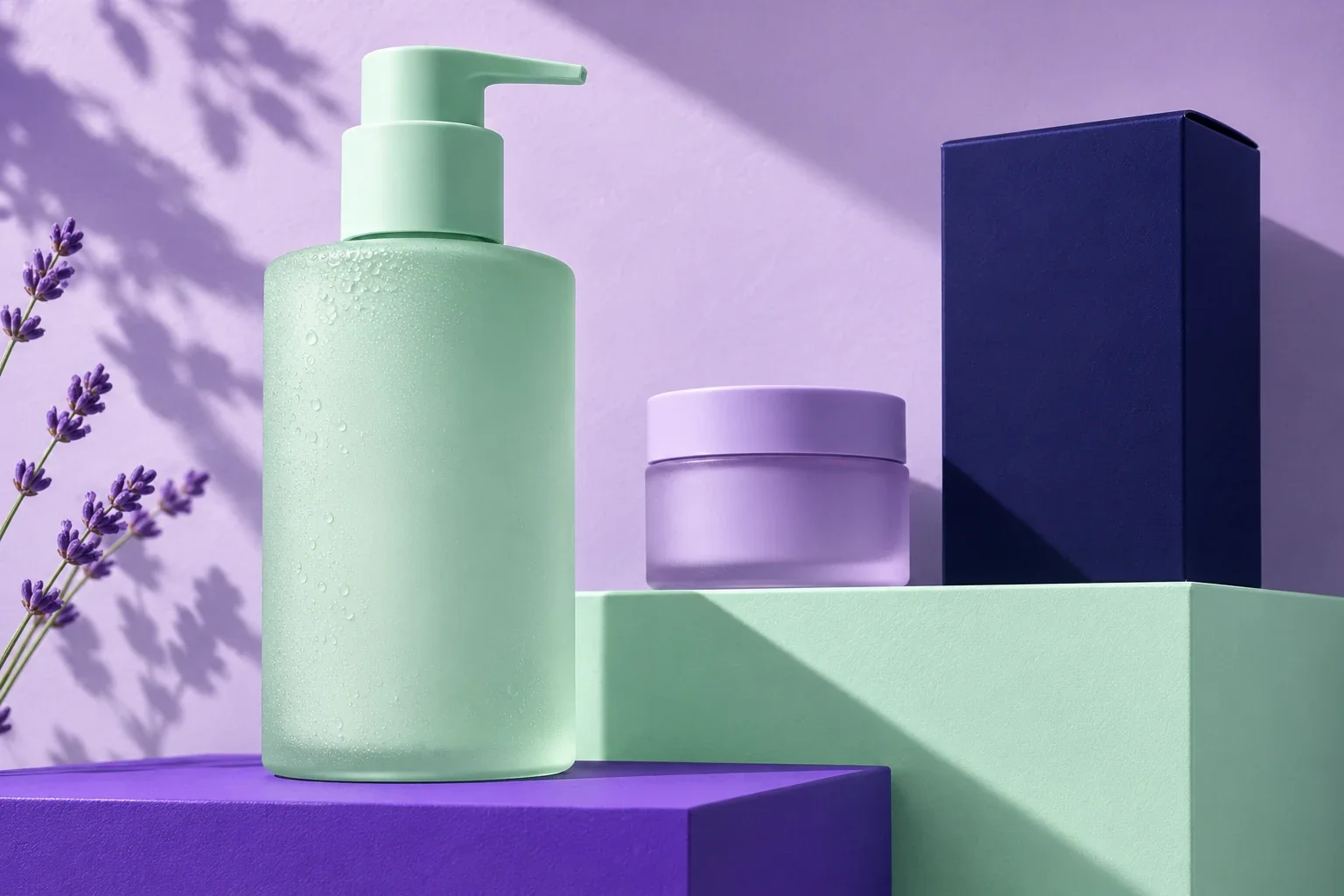
Use the mint and lavender product study as a reference for composition, light and materials. Review product shape and readable copy before developing versions.
- Keep product references consistent
- Plan space for captions and brand copy
- Check the crop before approving each placement
Delivery planning
Build the asset list around the actual placements. Agree versions, review responsibilities, file formats and handover requirements in the brief.
- Main film and shorter edits as scoped
- Wide, square or portrait versions as required
- Captions, clean masters and project handover as agreed
Choose the job the video needs to do
A useful video brief starts with the audience, the message and the next action. Is the task to introduce a product, make a benefit easier to understand, establish a launch idea, explain a process, or give an existing campaign more variations? The answer shapes the script and the production approach.
AI-assisted production can combine generated imagery with supplied product photographs, filmed footage, motion graphics, typography and editing. People lead the concept, choose the material, review continuity and accuracy, and assemble the final output. We discuss the suitable method after reviewing the brief and the available assets.
Five ways to shape the project
These project types help organize the conversation. The final proposal defines the actual assets, formats, versions and production requirements.
| Project type | Purpose | What the creative process can show |
|---|---|---|
| Product storytelling | Explain a product, benefit or usage occasion. | A script and visual sequence connecting the product to a clear message. |
| Campaign variations | Explore different openings, messages or formats. | An approved creative direction developed into a defined variation plan. |
| Brand or concept film | Establish an idea, mood or launch direction. | A treatment, storyboard and coordinated visual world. |
| Explainer or demonstration | Make a process, service or product easier to understand. | A step-by-step sequence using the appropriate graphics, footage and narration. |
| Campaign content set | Build a connected collection of assets. | A main video with agreed shorter edits, stills and placement adaptations. |
Follow the idea from brief to final edit
The brief establishes the audience, objective, approved product information and required action. Creative development turns those inputs into a concept, message structure and script. Visual references and a storyboard make the intended scenes, transitions and emphasis easier to review before production.
Production then develops the selected scenes and assets using the agreed mix of methods. Editing brings the sequence together with typography, captions, sound and graphics as required. Review checks the product representation, sequence, legibility, consistency and fit with the approved direction. Delivery follows the agreed version and export list.
- Brief: define the audience, message, evidence and intended placements.
- Concept and script: agree the story, opening and next action.
- Storyboard: review the sequence, visual references and required product views.
- Production and edit: create the selected material and assemble the film.
- Review and delivery: check the content and supply the agreed outputs.
Bring references that help us make accurate work
Share your brand guidelines, logos, product photographs, packaging references, approved wording and any mandatory graphics or end cards. Explain which details must remain exact. A product label, demonstration step or on-screen claim needs a reliable reference, not an assumption made during visual development.
Tell us which supplied assets you can authorize for the intended use and identify any additional approvals needed for people, music, voices or third-party material. If the concept depends on a specific real person or a precise product action, flag that requirement early so the method can be planned around it.
Plan variations with a purpose
A variation should answer a useful campaign question. You may want to compare two openings, put different benefits first, or adapt the same message to a placement with different viewing conditions. Define what changes and what stays consistent so the versions are easy to review and use.
Decide the output formats before production. Frame composition, caption placement and the opening sequence may need deliberate adaptation rather than a simple crop. The delivery plan can record each version, its intended placement and the owner responsible for publishing it.
Agree reviews, complexity and delivery scope
Project complexity changes with the number of concepts, scenes and versions, the precision of product representation, character continuity, animation requirements, supplied assets, sound and language needs, and the amount of finishing work. These are practical inputs to the proposal.
The agreed scope records the asset list, formats, review rounds, responsibilities and dates. Filming, talent, locations, licensing and other external requirements are identified where the chosen concept needs them. Performance Marketing and creator activity can connect with the production project through a combined or separately agreed scope.
See the content-production service
Questions before you begin
Will the whole video be AI-generated?
The production method follows the brief. A project may combine generated material, supplied assets, filming, graphics and editing. We define the approach during creative development.
Can you follow our existing brand direction?
Yes. Share the approved brand guidelines, product references, visual examples and required messaging. We use those inputs to develop and review the creative direction.
How many videos or revisions are included?
The proposal specifies the concepts, assets, versions and review rounds for your project. Additional requirements are assessed before extending the scope.
Can we use the output for paid advertising?
Tell us the intended channels, placements, territories and usage period during briefing. The production and asset requirements can then be agreed for that intended use.
Can you create the campaign plan as well?
Yes. Content can connect with media planning, creator campaigns and commerce work. Each part is identified in the proposal with its deliverables and responsibilities.
Useful next steps
Let’s shape the work around your goal.
Share the goal, the requirements you know, and the questions you want to work through.